
Buying land in Cape Coral Florida can be an exciting step — whether you’re planning to build your dream home, start a business, or invest for the future. But land deals aren’t quite the same as traditional real estate purchases. Therefore, there are key details and potential pitfalls you must consider before signing on the dotted line.
Here’s a straightforward guide on how to buy land in Cape Coral Florida and some tips to pay attention to along the way.
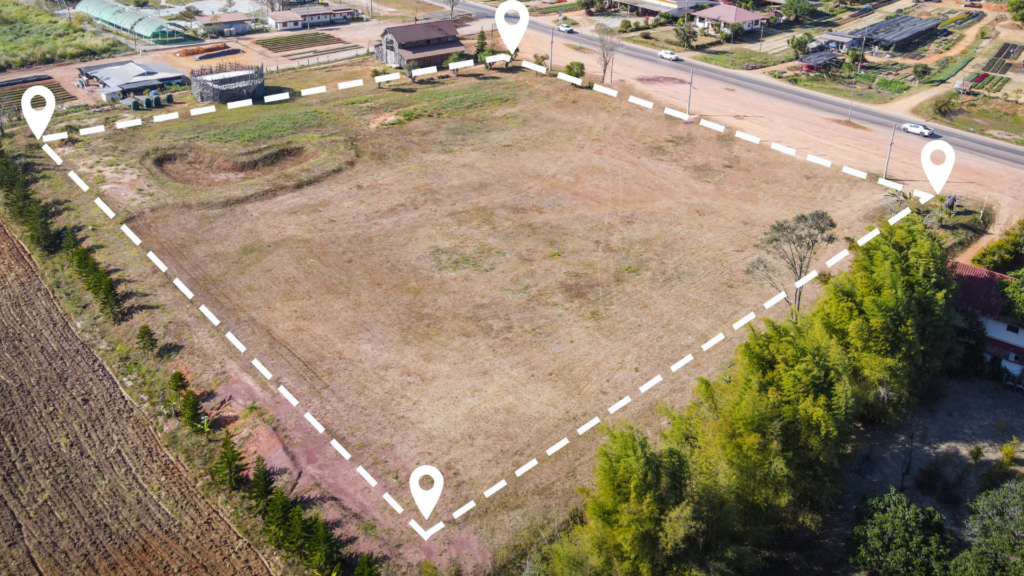
🗺️ Step 1: Define Your Purpose for Buying Land
Before you start looking, get clear on why you’re buying land. Are you building a home? Starting a farm? Holding it as a long-term investment?
Your goal will help determine:
- Location
- Zoning requirements
- Access to utilities
- Necessary permits
🧭 Step 2: Choose the Right Location for Buying Land
Just like with homes, location is everything when buying land. Consider:
- Proximity to roads, schools, stores, and hospitals
- The growth and development trends in the area
- Topography (is it flat, wooded, rocky?)
- Potential for resale or appreciation
🧾 Step 3: Check Zoning and Land Use
Zoning laws dictate what you can and can’t do with your land. For example, a residentially zoned lot might not allow mobile homes, multifamily units, or certain businesses.
What to watch out for:
- Restrictions on building types or square footage
- Environmental protections (like wetlands, flood zones, or protected wildlife)
- HOA or deed restrictions
Tip: Always contact the local zoning office or municipality for confirmation.
💧 Step 4: Evaluate Utilities and Access
Unlike buying a house, land may not come with essential services in place. Check for:
- Road access: Is it publicly maintained or will you need an easement? Is the road paved?
- Water and sewer: Is there city water/sewer, or will you need a well and septic?
- Electric and internet: Are utility lines nearby, or will they be expensive to install?

📋 Step 5: Do a Land Survey While Buying Land
Before closing, hire a licensed surveyor to map out boundaries and identify easements, encroachments, or discrepancies with the listed acreage.
Why this matters: A proper survey protects you from future disputes and confirms exactly what you’re buying.
🧪 Step 6: Conduct Environmental and Soil Tests
Especially if you’re building, you’ll want to know:
- Soil quality (for foundations or agriculture)
- Septic system viability
- Environmental Report (wetlands, endangered species etc.)
Tip: Some areas may require environmental assessments before building permits are issued.
💰 Step 7: Understand Financing Options When Buying Land
Financing land is different from buying a home — not all lenders offer land loans, and the terms may include:
- Higher interest rates
- Shorter loan periods
- Larger down payments (often 20–50%)
Alternative options: Look into local banks, credit unions, or seller financing.
🔚 Final Thoughts
Finally, buying land can be a fantastic opportunity — if you do your due diligence. It’s not just about the view or the size of the lot. It’s about the hidden details that affect what you can build, how you’ll access it, and how much it will really cost.
Want expert help navigating the process? Whether you’re looking for residential lots, acreage, or investment land, our team knows what to look for — and what to avoid.
Let’s find the perfect piece of land for your future. 🌱